01
Decision summary
SAS and SATA drive selections start with interface and port behavior, then continue through the installed controller, expander, backplane, carrier, cable and bay. Treat each item as a path to review; a physical connection alone does not confirm supported operation or an expected availability behavior.
- Drive interface and port count
- Controller and expander
- Backplane, carrier and cable
- Bay and current configuration
02
Understand the port and path difference
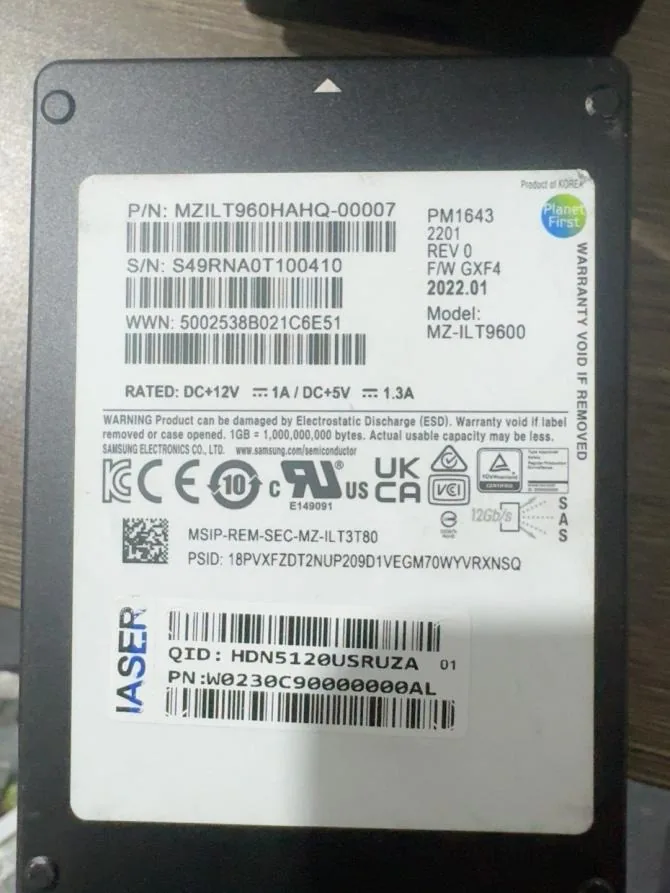
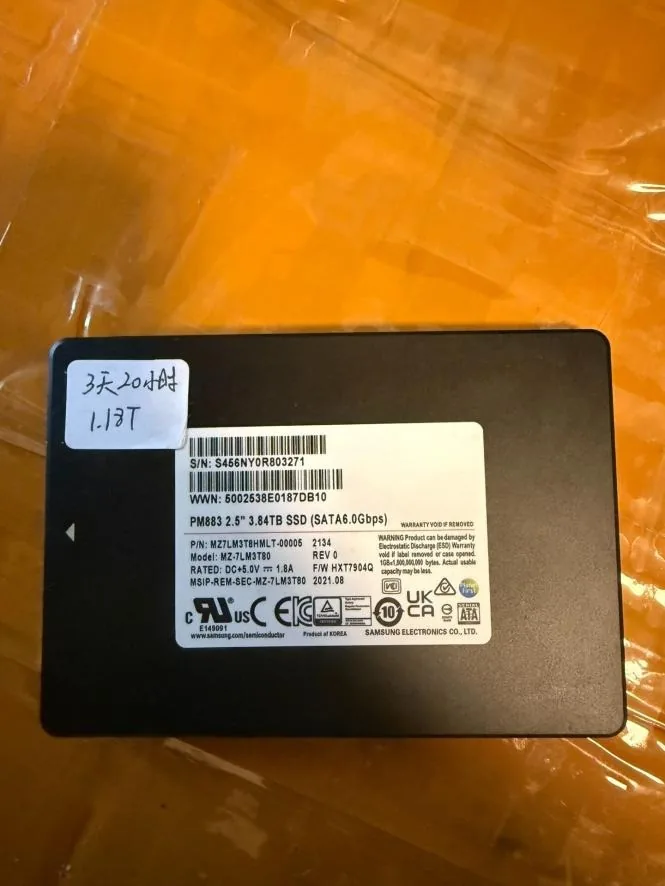
A SAS drive can have two ports, while a SATA drive has a single port. The practical result for a server depends on how the specific controller and enclosure route those ports, so record the intended topology and do not infer an availability outcome from the connector or drive label alone.
- SAS dual-port drive identity
- SATA single-port drive identity
- Intended controller-to-bay path
- Topology documentation
03
Map controller, expander, backplane and bay
Map the storage path from controller through any expander, backplane, carrier and cable to the target bay. Include the server or enclosure model and installed firmware because the same drive interface can behave differently across specific platform designs and configurations.
- Controller model and firmware
- Expander and backplane identity
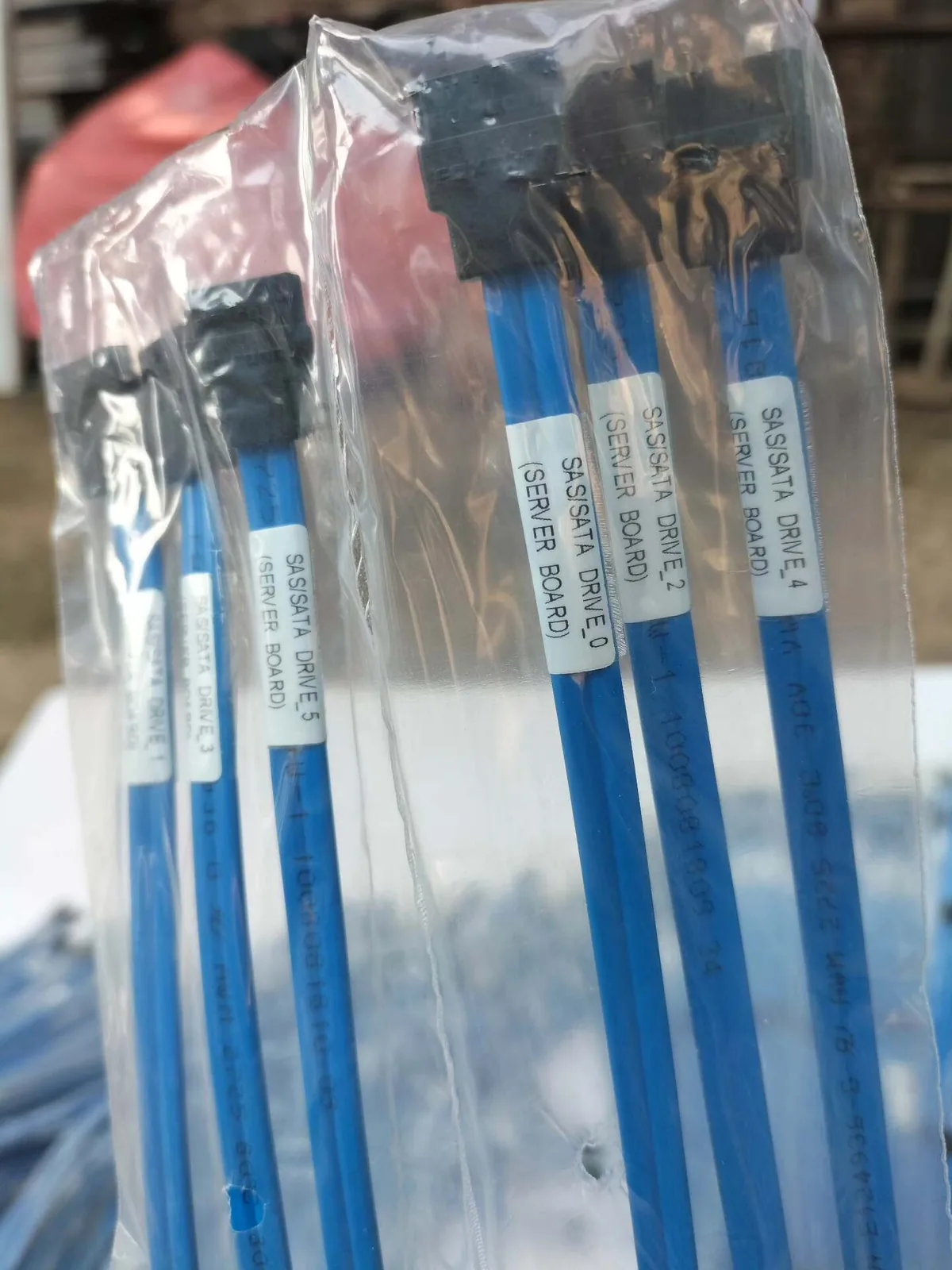
- Carrier and cabling details
- Target bay and enclosure model
04
Treat SATA-on-SAS support as platform-specific
A SATA drive may physically fit a SAS-oriented path in some designs, but connector fit does not establish supported operation. Confirm the exact controller, backplane, expander, firmware and bay configuration with the platform documentation or system owner before proposing a SATA drive for that path.
- Exact controller and backplane
- Expander and firmware details
- Bay configuration
- Platform-specific confirmation
05
Do not assume multipath or failover
Do not infer multipath, failover or redundant-path behavior from a dual-port SAS label. Those outcomes require the full host, controller, enclosure, cabling, firmware and configuration review, along with an operational design verified by the system owner.
- Host and controller design
- Enclosure and cabling topology
- Firmware and configuration
- System-owner verification
06
RFQ checklist
Send the exact drive model, quantity, interface, port requirement, server or enclosure model, controller, expander, backplane, carrier, cabling, target bay, firmware, current configuration, destination and requested evidence. Final availability, condition, test scope, packing and quotation are confirmed per order.
- Drive model, interface and quantity
- Controller-to-bay path
- Firmware and current configuration
- Evidence and destination